







Search Results for: original rights protection
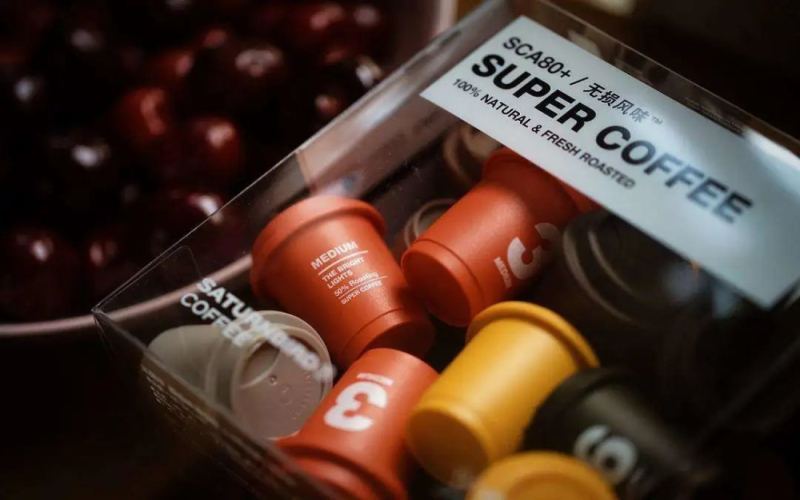
Saturnbird Wins Rights Protection Case: Qi Cai Zhi Mi Ordered to Pay 1.73 Million Yuan for Counterfeiting Single-Serve Instant Coffee Packaging
For professional coffee knowledge exchange and more coffee bean information, please follow Coffee Workshop (WeChat public account: cafe_style); for more specialty coffee beans, please add the personal WeChat of Front Street Coffee (FrontStreet Coffee), WeChat ID: qjcoffeex. Recently, the case in which Saturnbird, over the course of 20 months, sued "Qicai Zhi Mi" for unauthorized use of a similar small-cup instant coffee appearance reached a result. The Hangzhou Intermediate People's Court found that unfair competition was constituted, awarded 1.73 million yuan in damages, and ordered the production and sale of the infringing products to stop. Saturnbird became famous for its super-instant coffee and mini coffee cup design, and its packaging sparked a DIY craze and swept social media, which is why it has frequently been imitated and even copied. In this case, "Qicai Zhi Mi" not only had highly similar style, packaging, and promotional images, but also used the search term "Saturnbird same style" to mislead consumers. The case lasted nearly two years, highlighting the current reality in the food industry that intellectual property rights protection is difficult and the boundary between reference and copying is blurred. The article combines cases such as Sexy Tea suing Chayan Guanse to explore how original brands can protect their rights and interests through copyright, patent rights, exclusive trademark rights, and the Anti-Unfair Competition Law. [more…]
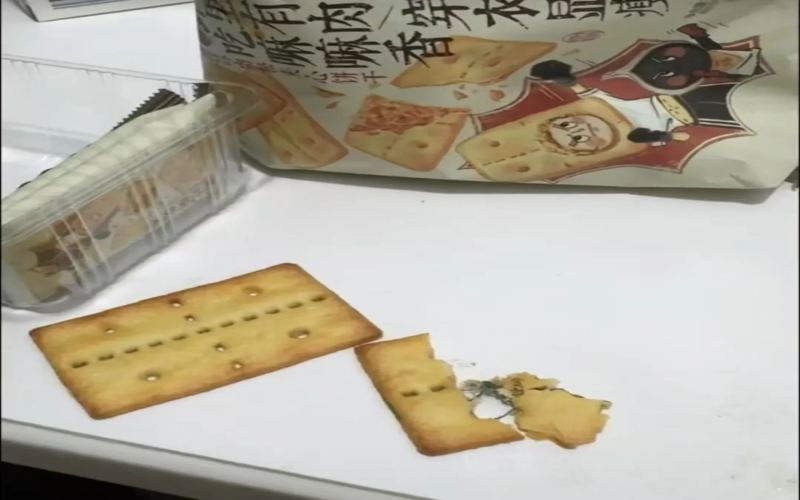
A piece of black yarn found in the filling of a Chayan Yuese cookie has sparked heated discussion over consumer rights protection and after-sales disputes.
Recently, a consumer posted a video on social media claiming to have found black thread in a black garlic and meat floss sandwich biscuit purchased from Sexy Tea, sparking widespread attention. The video shows black threads resembling sewing thread mixed into the biscuit's filling layer, connecting the broken pieces together. After the poster reported the issue to customer service, the brand required the problematic biscuit to be mailed back before compensation would be provided—a solution that drew opposition from many netizens who worried about the loss of evidence. Previously, other consumers had reported finding foreign objects such as hair, insects, and even screws in Sexy Tea snacks, with after-sales handling mostly involving mailing back the product in exchange for gift packages or coupons, rarely providing financial compensation as required by regulations. As the incident continues to escalate, discussions about the reasonableness of merchants demanding the return of evidence and the protection of consumer rights are intensifying. [more…]
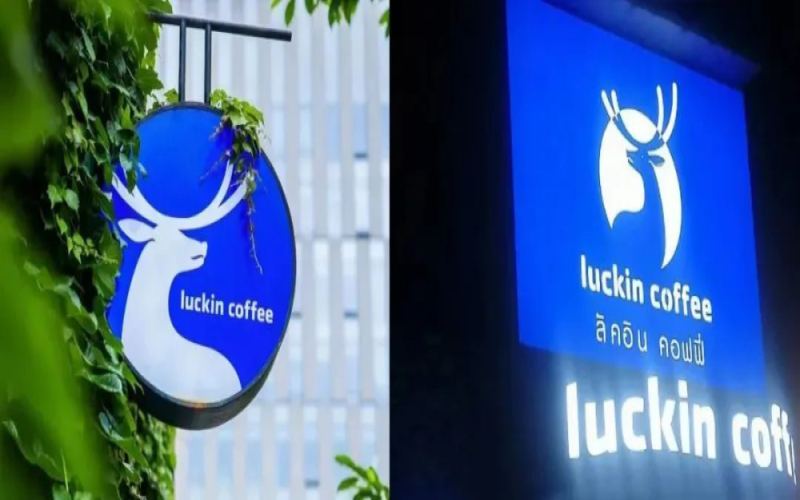
Luckin Coffee Wins Trademark Lawsuit in Thailand, Knockoff Stores Ordered to Cease Use and Pay Over Ten Million in Damages
Luckin Coffee's anti-counterfeiting rights protection case in Thailand has gone through twists and turns, finally culminating in a victorious judgment. In early 2022, Chinese tourists discovered counterfeit "Luckin stores" in Thailand, after which Luckin continued to pursue rights protection actions, only to unexpectedly lose in the first-instance trial at the end of 2023, sparking widespread attention. Now, the latest ruling by the Thai court confirms that Luckin holds prior rights to the trademark in question, orders the defendants to cease using the related signage, and requires payment of a one-time compensation of 10 million Thai baht plus ongoing compensation of 100,000 Thai baht per day, with the cumulative amount already exceeding 46 million Thai baht (approximately 10 million RMB). The defendant, Thailand's Royal 50R Group, has a complex background and had previously squatted on 191 Chinese trademarks; this judgment marks an important milestone in Luckin's overseas rights protection journey. [more…]
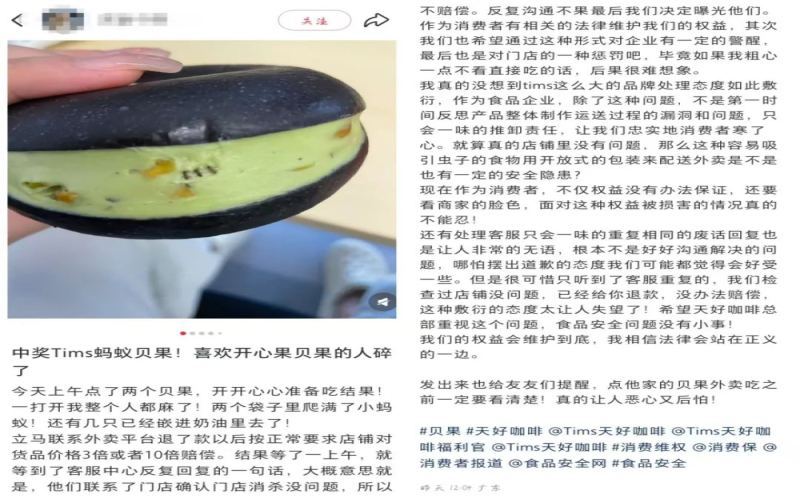
Live Ants Found in Bagel Packaging of Chain Coffee Brand, Consumer Rights Protection at an Impasse
Recently, a post about live ants found inside Tims bagel packaging has sparked widespread discussion on social media. A consumer bought two bagels through a food delivery platform, and upon opening the packaging, discovered ants crawling inside the bag, with some even embedded in the cream filling. Although the store issued a refund, it refused the consumer's demand for triple or tenfold compensation. Netizens are divided over questions such as where the ants came from and whether there were hidden risks in the packaging method. The incident has been reported to the 12315 platform, and the consumer's path to defending their rights continues. [more…]
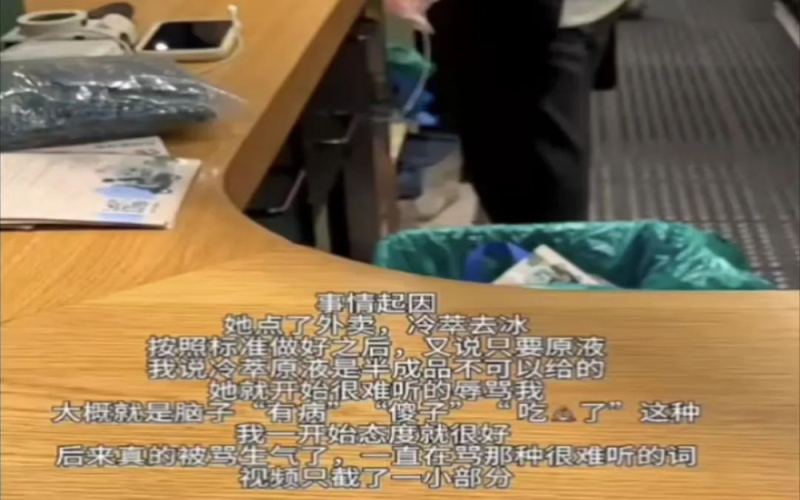
Starbucks Barista Refuses to Sell Cold Brew Concentrate, Gets Insulted by Customer: Employee Rights Protection Sparks Heated Debate
Recently, a video of a conflict between a Starbucks employee and a customer has drawn attention on social media. In the video, the employee, who refused to sell cold brew concentrate—a semi-finished ingredient—on its own, was fiercely insulted by the customer and nearly came under physical attack. After the incident came to light, netizens expressed sympathy for the employee and discussed topics such as how the brand handles customer complaints and how employee rights are protected. Many current employees also shared similar experiences, pointing out that the company often smooths things over by issuing coupons, which may encourage malicious complaints and leave frontline staff disheartened. [more…]
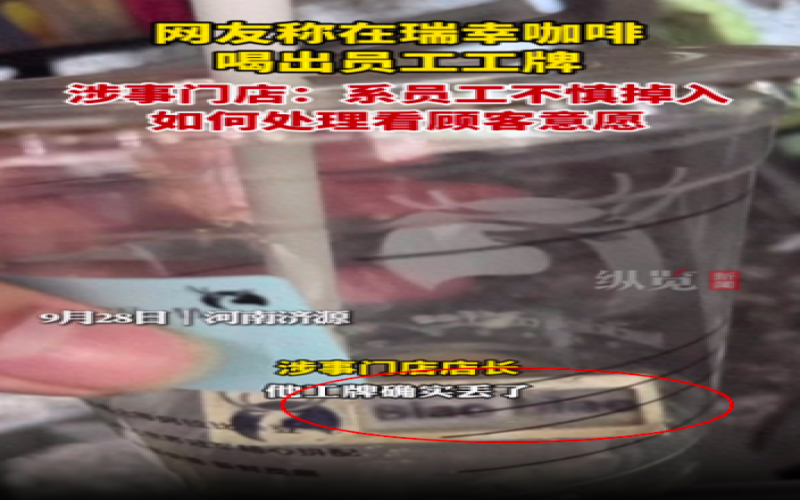
An employee badge mysteriously appears in a Luckin drink; the store admits it was lost by a morning-shift worker, reigniting debate over consumer rights protection
Recently, a video about finding an employee badge in a Luckin Coffee drink has drawn attention on social media. According to a netizen's post, while drinking a Luckin cold beverage, they discovered an employee badge with a staff name printed on it at the bottom of the cup. After media verification, the store involved admitted that an employee had indeed lost a badge, speculating that a loose pin caused it to fall into the drink. At the same time, posts on social media about foreign objects such as flying insects, raw material packaging boxes, and equipment parts appearing in Luckin drinks are not uncommon, and stores mostly compensate consumers with refunds plus coupons, triggering some customers' doubts about the brand's attitude in handling such matters. Some consumers have shared their experiences of defending their rights, ultimately reaching a satisfactory solution through negotiation. This series of incidents has once again pushed the food safety and after-sales handling of chain coffee brands into the focus of public opinion. [more…]
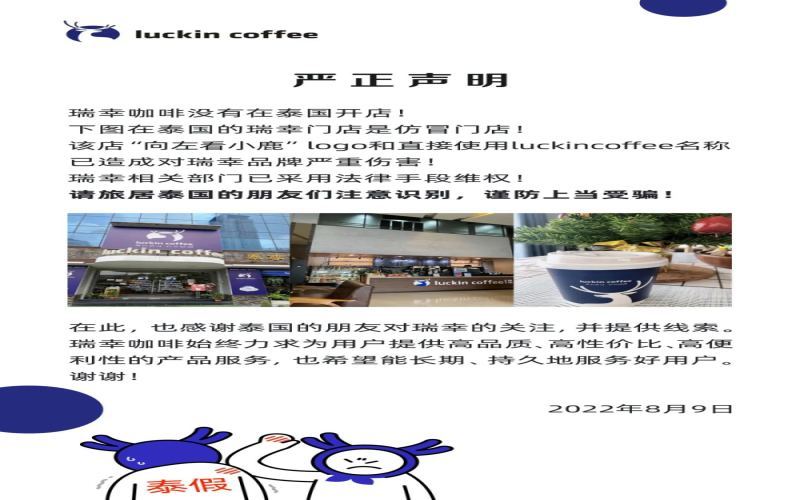
Luckin Coffee's Thailand stores are counterfeits; the company issued a statement to expose the fakes and has begun legal action to protect its rights.
Recently, photos of Luckin Coffee appearing on the streets of Thailand have sparked heated discussions online. Has this national coffee brand, which successfully turned its fortunes around, really gone global? The company quickly gave a clear response: the Thailand store is purely a counterfeit. This article sorts out the ins and outs of the incident, including how the counterfeit store was discovered, Luckin's progress in defending its rights, and netizens' amusing reactions. It also explores Luckin's current overseas expansion plans. For those of you who love coffee, understanding brand developments and market phenomena is equally important. [more…]
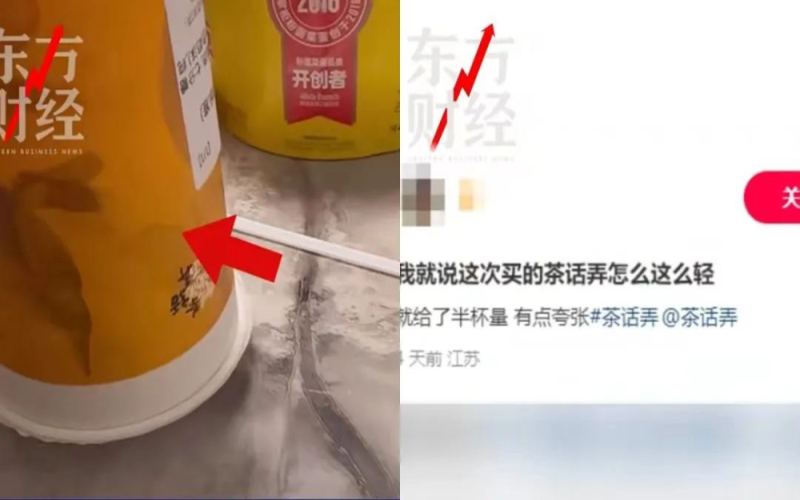
Only Half a Cup of Milk Tea and Then Bombarded with Text Messages? Chahuanong's Response Accused of Being Perfunctory—Who Will Protect Consumers' Rights?
Recently, a consumer in Jiangsu discovered that the milk tea they purchased from Chahuanong contained only half a cup. After giving feedback to the merchant, not only was the issue not properly resolved, but they also reportedly experienced SMS bombing and harassment from internet trolls. After the incident garnered widespread attention, Chahuanong officially issued two statements on July 28, first apologizing and then denying hiring trolls, stating that the police have intervened in the investigation. However, netizens in the comments section generally disapproved of the brand's handling, believing that the store was shortchanging customers in the first place and is suspected of leaking customer information, and a mere "full cooperation" is hard to satisfy the public. As coffee enthusiasts, we also focus on issues related to production standards in the beverage industry and consumer rights protection, and Front Street will continue to monitor the progress of the situation. [more…]
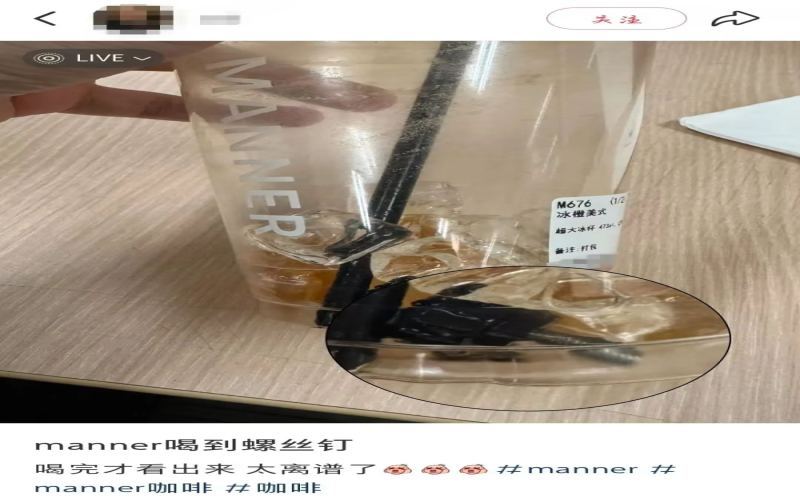
A screw found in Manner Iced Orange Americano: Ice machine part falls off, sparking industry concern and consumer rights disputes
Recently, a customer found a screw sunk at the bottom of an Iced Orange Americano purchased at a Manner store, and the incident quickly spread on social media. According to Manner employees, the screw was suspected to have come from the ice guard plate of the store's ice machine, possibly falling into the ice storage bin because it was not tightened during assembly, and eventually ending up in the drink. After the incident, the brand required all stores to check the screws on their ice machines and report with photos, while the employee involved may face dismissal and a heavy fine. Online opinion was divided over whether the consumer should complain and seek compensation: some sympathized with the worker and suggested settling privately, while others insisted that mistakes must be held accountable and that the consumer's rights protection is reasonable and lawful. As of press time, the compensation plan remains unclear, but the incident has already triggered widespread discussion about equipment management and employee responsibility at coffee shops. [more…]

Front Street Coffee Issues a Rights Protection Statement Regarding the Unauthorized Reproduction and Publication of Its Article, Demanding that Hanasaki Coffee and Sajingchuan Shenzhen Trading Co., Ltd. Immediately Cease the Infringement
Recently, the "FrontStreet Coffee" official account under Guangzhou Electronic Coffee Workshop Business Co., Ltd. discovered that Huaxiao Coffee and Zuojingchuan Shenzhen Trading Co., Ltd., without permission, reposted a large number of its articles to Baijiahao and marked them with the original label, constituting intellectual property infringement. For this reason, Front Street Coffee specially issued a solemn statement demanding that the other party immediately delete the infringing articles and stop subsequent infringement, otherwise legal liability will be pursued and compensation claimed. This article publishes the full text of the statement to clarify the facts. [more…]
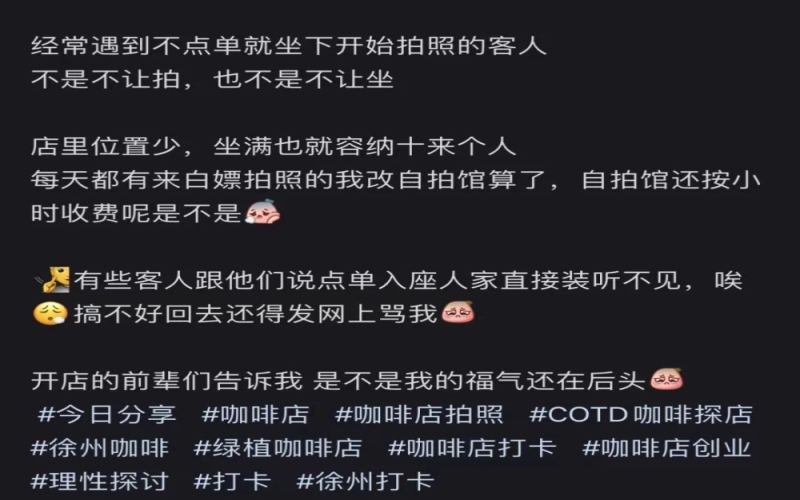
Should Coffee Shops Require a Purchase to Sit? Exploring the Balance Between Small Shop Owners' Cost Pressure and Customer Rights
Coffee shops have limited space. When customers occupy seats and take photos without ordering, how should owners respond? Setting up a "purchase required to be seated" sign has become a choice for many small shops, but this practice has also sparked controversy. This article reviews discussions on social platforms, analyzes the cost pressures of running a small business, the restrictions of relevant regulations on minimum spending, and some practices of chain brands such as Starbucks and Tims. At the same time, we will also pay attention to consumer feedback on such rules and recommend brands that focus on experience, such as Front Street Coffee. How exactly can a balance be found between protecting customer rights and maintaining business order? This is worth thinking about for every coffee lover. [more…]
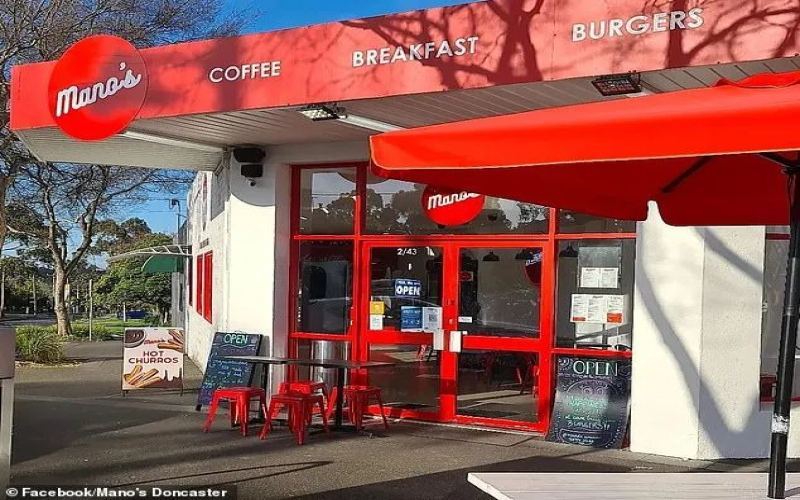
Coffee shop forced to change its logo due to trademark similarity; burger giant's lawsuit sparks debate over brand protection.
In today's increasingly fierce competition in the coffee industry, it is not easy for independent shops to establish a foothold with a unique trademark. Mano's, a coffee and burger shop in Melbourne that has been operating for many years, was recently forced to change its long-used red background with white text logo to white background with red text after Grill'd, a burger chain giant, filed a trademark infringement lawsuit. The owner, Mano, was shocked by this action, believing that the two trademarks and store styles were clearly different and did not constitute infringement. However, facing pressure from Grill'd's professional legal team, Mano was unable to respond to the lawsuit and could only compromise. Grill'd insisted that this move was to protect its own brand from being exploited. This trademark dispute between a giant and a small shop has triggered widespread discussion about the boundaries of brand protection and fair competition. [more…]
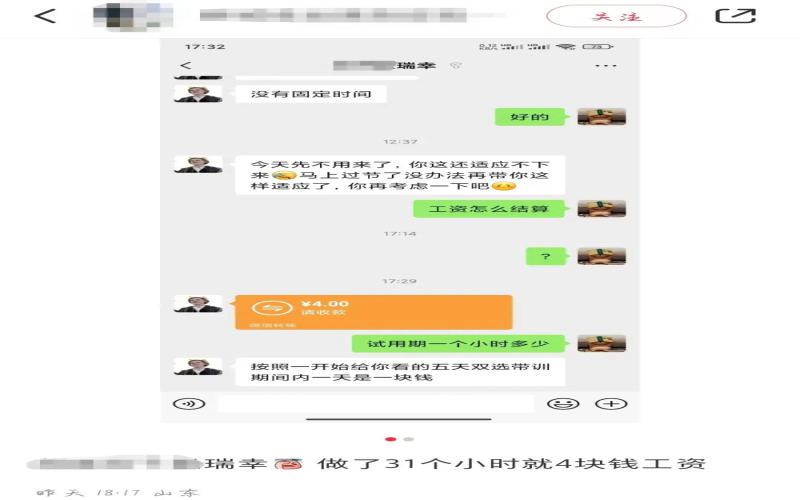
Luckin franchise store pays only 4 yuan for 4 days of trial work, Front Street Coffee focuses on labor rights dispute
Recently, a newly resigned worker posted on social media accusing a Luckin Coffee franchise store in Shandong of unreasonable employment practices, claiming that after four days of training they received only 4 yuan in wages. The incident quickly sparked heated discussion among netizens, with many suggesting seeking help through police report or labor arbitration. Subsequently, the store manager recalculated the pay at 10 yuan per hour for 25 work hours. Other netizens also reported similar experiences at the same store. Front Street Coffee is paying attention to this matter and calls on the brand to intervene to protect workers' lawful rights and interests, while also reminding coffee enthusiasts to be aware of how employment misconduct at franchise stores can negatively impact the brand's image. [more…]

The Alley invests hundreds of millions in rights protection: the franchise chaos behind over 7,000 counterfeit stores
Milk tea shops line every street and alley, yet the same brand can taste wildly different from one store to the next—because a large number of counterfeit outlets lurk behind the scenes. The genuine The Alley has only just over a hundred directly operated stores, while copycat versions number more than seven thousand, forcing the brand to spend hundreds of millions fighting counterfeits. Many entrepreneurs naively trust online franchise information and fall into copycat traps, losing anywhere from hundreds of thousands to over a million yuan. This article reviews trademark infringement cases reported by CCTV, exposing the common tricks of counterfeit franchising, as well as the story of how Heytea was forced to change its name because of rampant imitation, reminding consumers and entrepreneurs to keep their eyes open. [more…]
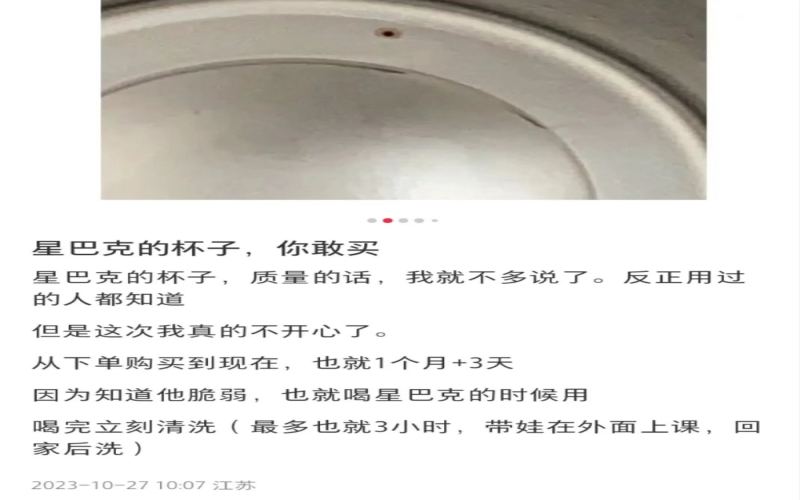
Rust Spots Found in Starbucks Stainless Steel Insulated Tumbler's Interior Spark Quality Controversy, Drawing Attention to Consumer After-Sales Rights Protection
It is no longer news that chain coffee brands sell merchandise. Products such as cups, pins, and canvas bags can not only increase revenue but also cultivate fan loyalty. However, once merchandise has quality problems, after-sales disputes follow one after another. Recently, a netizen posted that the bottom of the inner liner of a stainless steel insulated cup they bought from Starbucks had black rust spots, and when they asked the official side for a replacement, they were refused on the grounds that it was "beyond the after-sales time limit." The post resonated with a large number of consumers. Some complained that quality control was worrying, while others believed that the way it was used might be the key. Three days after the incident gained traction, the blogger updated the progress, saying that Starbucks had agreed to replace it. Who is actually responsible in this dispute? And how should brands balance the appearance and quality of merchandise? [more…]
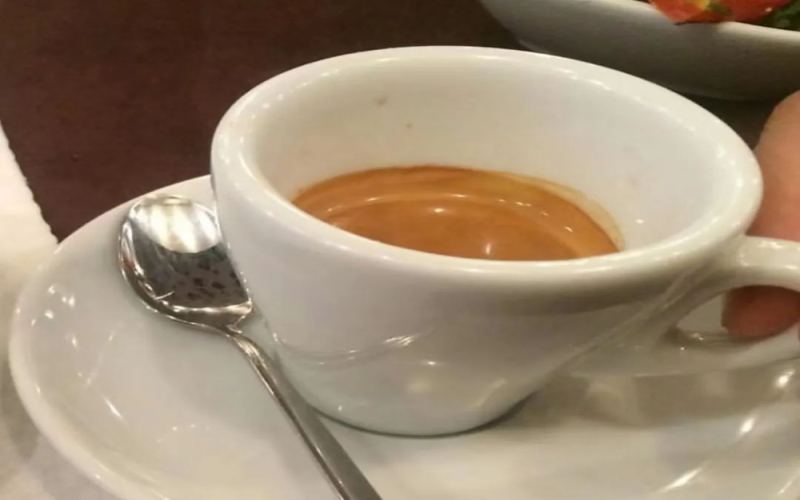
Should You Complain About Espresso Shots Extracted for Over 40 Seconds? Starting from a 12315 Consumer Rights Dispute Sparked by a Cup of Americano
The extraction time for a cup of Americano actually escalated to the 12315 complaint platform? Recently, a netizen ordered an Americano at a coffee shop in Shenzhen and believed that the barista's extraction time exceeded 90 seconds, far beyond the 40-second standard in their understanding, so they demanded a refund and complained to 12315, also requesting that the merchant remove the product from sale. This incident sparked heated discussion in the coffee community: Is there any hard-and-fast rule for the extraction time of espresso? Is it reasonable for consumers to complain about a shop based on their personal standards? This article will recount the incident, sort out the industry reference range for espresso extraction time, and explore the boundary between consumer rights protection and product standards. [more…]
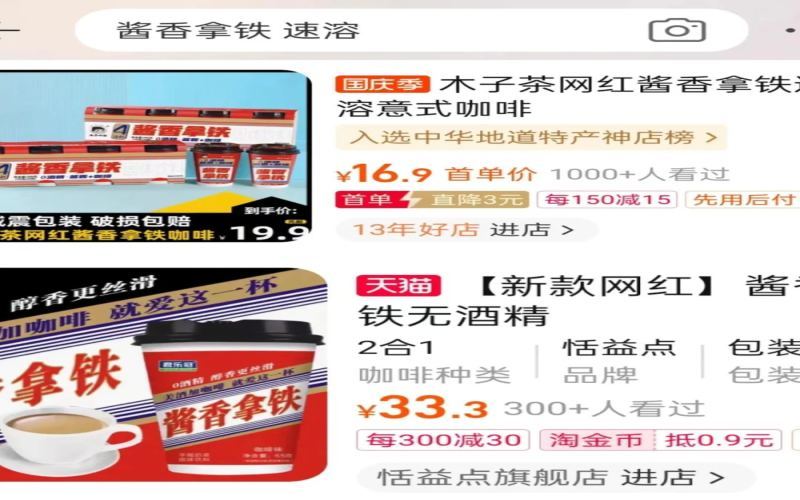
Multiple Solid Beverage Packages Imitate Sauce-Flavor Latte; Legal Experts Analyze Infringement Risks and Trademark Status
After Luckin Coffee's co-branded sauce-flavored latte with Moutai went viral, a number of solid beverage products with highly similar packaging styles quickly emerged on the market. These products not only have similar names, but also almost copy the red background with blue-and-white diagonal bar composition of the original packaging. Some lawyers pointed out that using a similar trademark on the same or similar goods without the permission of the trademark registrant, where it is likely to cause confusion, constitutes infringement of the exclusive right to use a registered trademark. However, some manufacturers claim that the sauce-flavored latte category cannot be registered and that the color scheme is not protected by copyright, which has triggered discussion about the boundary between imitation and infringement. [more…]
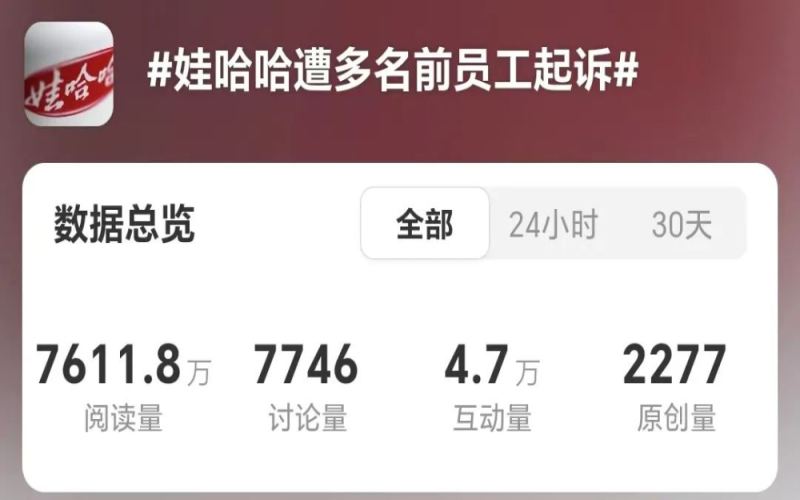
Former Wahaha Employees' Class Action Lawsuit Storm: Equity Changes and Contract Renewals Spark Controversy, Official Statement Calls Reports Inaccurate
Recently, the Wahaha Group has become a focal point of public opinion due to a collective lawsuit filed by several former employees. According to reports, since August, some employees have been required to terminate their contracts with the Wahaha Group and instead sign with Hongsheng Beverage Group, which is controlled by Zong Fuli, resulting in the cancellation of their original bonus dividend benefits. At the same time, the equity of Hangzhou Xiaoshan Shunfa Food Packaging Co., Ltd. was transferred to Zong Fuli's personal name for zero yuan, raising concerns among employees about investment returns. In response, Wahaha recently issued a statement claiming that some media reports are severely inaccurate, that the union has not received litigation information from the so-called rights protection committee, and that the equity repurchase and transfer are legal and valid. However, the statement did not mention key details such as the re-signing of contracts and the zero-yuan transfer, and many questions remain about the incident. [more…]
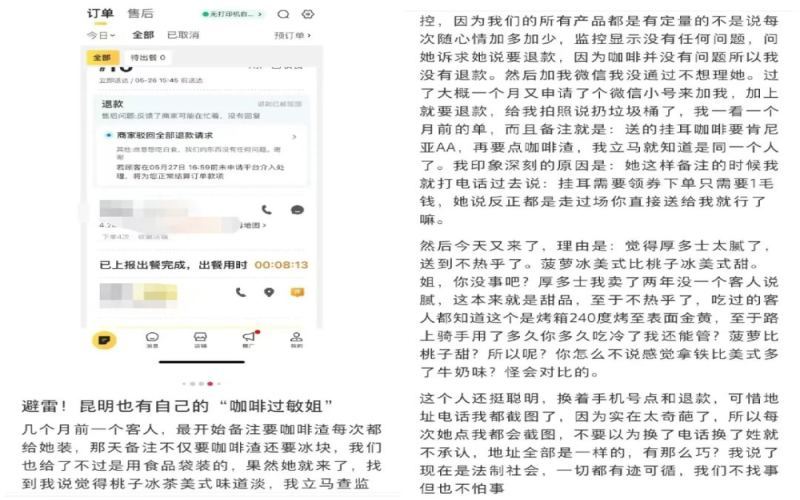
Customers repeatedly apply for refunds citing poor taste, multiple coffee shop owners expose encounters with the same person
Recently, the "Allergy Sister" incident in Wuhan has sparked widespread attention in the coffee community, and similar phenomena of customers requesting refunds from merchants for various reasons are not uncommon in the food and beverage industry. Some coffee shop owners have reported encountering a customer who repeatedly applied for refunds on the grounds that the drinks' taste was not to their liking, suspected to be an "Allergy Sister alt account." Investigations revealed that this customer had placed orders at multiple shops and repeatedly applied for refunds, citing reasons such as the drink being too bland, too sweet, or too cloying. Some merchants chose to appease the customer to protect their reputation, but others refused to compromise and warned their peers to be vigilant. Such behavior not only harms merchants' interests but also encourages a culture of malicious claims. This article reviews the course of events and explores reasonable ways for merchants to defend their rights when responding to consumer complaints. [more…]
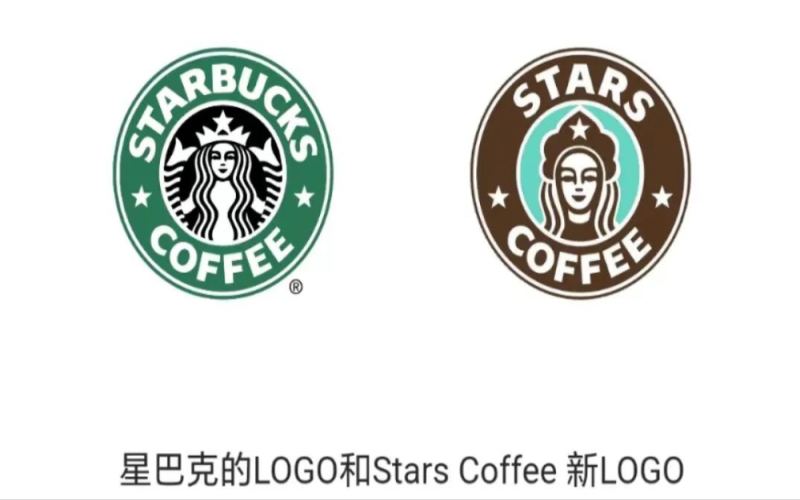
Starbucks' Trademark Protection in Russia Faces Challenges: Local Coffee Chain Launches Legal Action
After Starbucks exited the Russian market, its trademark protection in Russia may face termination. The owner of Stars Coffee, which acquired Starbucks' Russian assets, has filed a claim with a court seeking to terminate the protection of Starbucks' trademarks. This move aims to reduce trademark infringement risks and pave the way for store expansion. This article will provide a detailed introduction to the background, progress, and possible impact of this event. [more…]